March 12, 2026
Understanding asphalt paving is crucial for any property owner planning to install or repair driveways, parking lots, or roads. Engaging with your local paving service can offer invaluable insights. Here are some essential questions to ask to ensure you're getting top-quality service and the best results for your investment.
What is the Composition of the Asphalt Mixture?
Knowing the composition of asphalt is fundamental in choosing the right type of mix for your project. Asphalt mixtures often consist of aggregates like sand, gravel, and crushed rock, mixed with a binder, usually bitumen, that holds everything together. The choice between different types of asphalt mixtures can affect performance, longevity, and cost-effectiveness for different applications.
The quality of raw materials is a critical aspect of the asphalt mixture's durability and effectiveness. A reputable local paving service will source high-grade aggregates and high-quality binder materials. They may provide documentation or certifications that demonstrate the standards they adhere to, ensuring you're investing in a reliable product.
Environmental considerations are increasingly important in construction. Many local paving services now incorporate recycled materials into their asphalt mixtures, reducing environmental impact without sacrificing quality. It's worth inquiring about the service's commitment to sustainability and whether they employ eco-friendly practices.
Additionally, climate plays a significant role in determining the ideal asphalt mix. Regions with extreme temperature fluctuations may require mixes designed to resist cracking in cold weather or rutting in high heat. A knowledgeable contractor will evaluate local weather patterns and traffic demands before recommending a specific blend. Asking how the mix design aligns with your region's conditions can help prevent premature deterioration and costly repairs down the line.
What is the Preparation Process Before Paving?
The preparation process is a crucial determinant of the project's success. Proper site inspection and evaluation are the first steps, involving soil analysis and measurement of grades and slopes. This ensures that the groundwork is suitable for the intended load and use it will bear once completed.
Base preparation involves laying a stable and well-compacted sub-base, usually consisting of gravel or crushed stone. According to This Old House, the average depth of an asphalt driveway is eight to 12 inches, highlighting the importance of proper depth for load-bearing capacity. This step also plays a significant role in preventing future issues like cracking or settling.
Drainage considerations are essential for long-term asphalt performance. Proper drainage prevents water accumulation that can weaken the base and cause structural failures. A professional paving service will address drainage by ensuring the surface slopes correctly and integrating necessary drainage solutions during the preparation phase.
It’s also wise to ask how existing surfaces will be handled if you’re replacing old pavement. Will the crew remove and haul away deteriorated asphalt, or will they mill and overlay it? Understanding this process ensures there are no surprises regarding costs or final surface height relative to garages, sidewalks, and roadways.
What Techniques and Equipment Will Be Used?
Diverse paving methods are used based on project specifications and client requirements. Hot mix asphalt (HMA), for instance, is suitable for high-traffic areas due to its durability, while cold mix asphalt can be used for temporary fixes. Understanding these methods helps you appreciate the solution best suited to your paving needs.
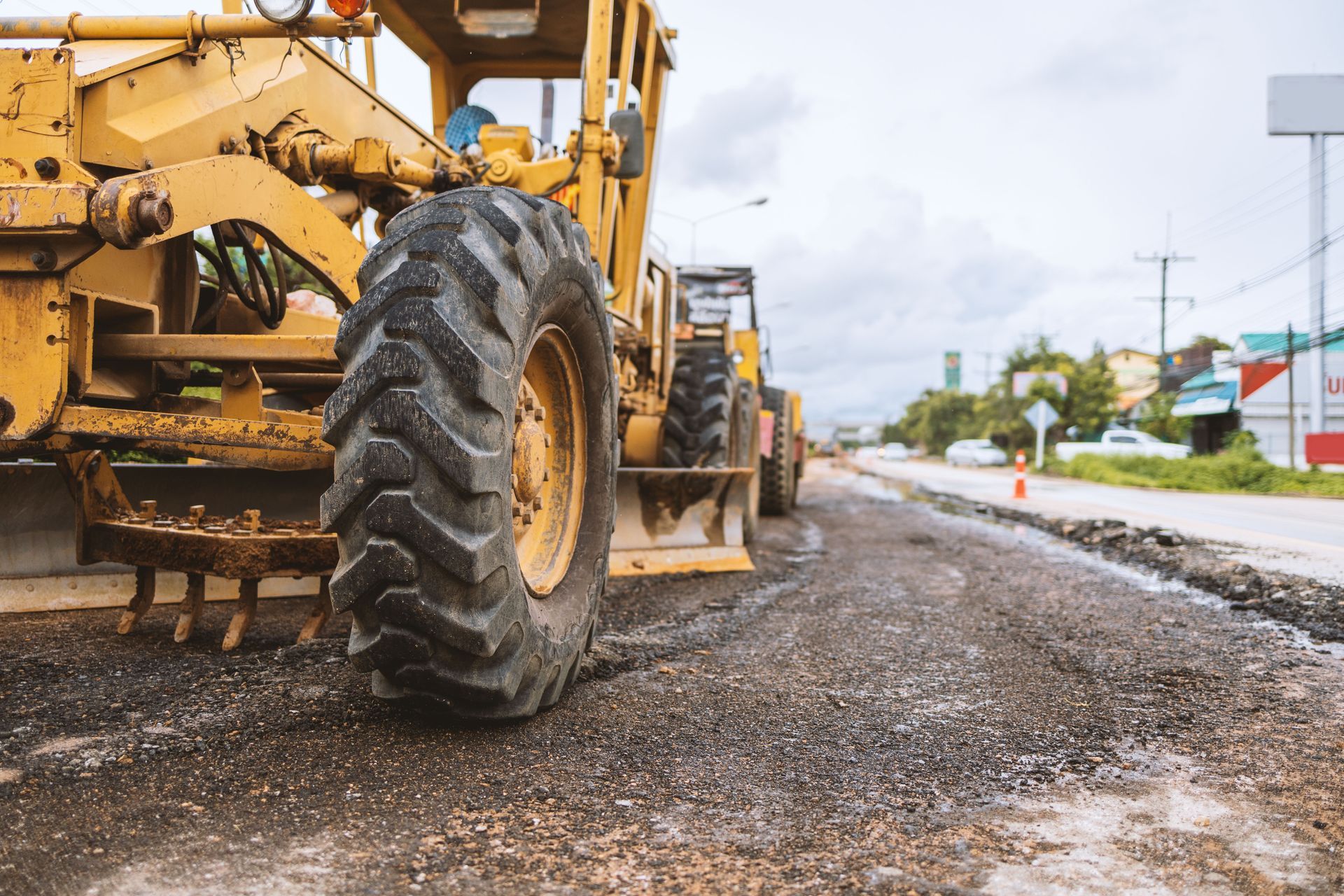
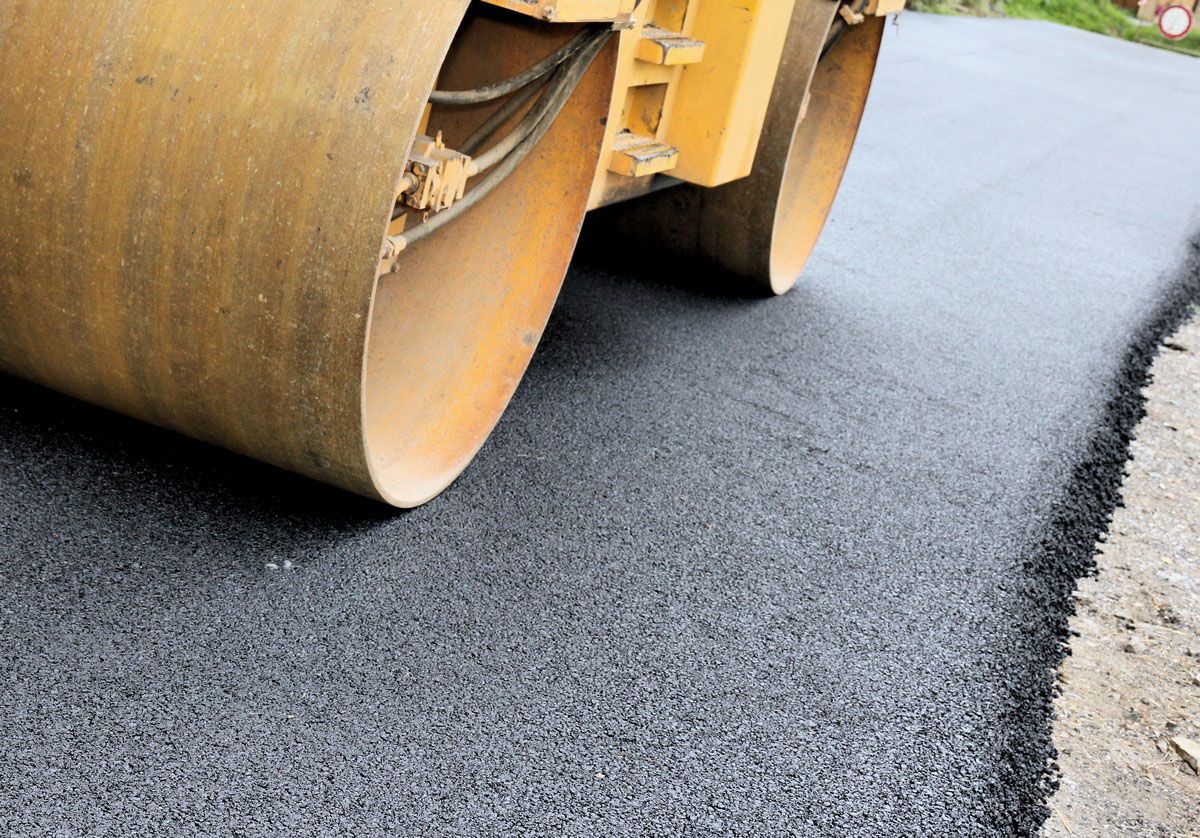
Modern paving relies on advanced machinery and technology to achieve efficient and precise results. The use of pavers, rollers, and modern leveling and monitoring equipment ensures optimal compaction and uniform thickness of the asphalt layers. Inquire about the equipment used to align project expectations with current industry standards.
The expertise of machine operators significantly affects paving quality. Skilled operators contribute to seamless execution by handling complexities during the installation, thus minimizing issues like surface irregularities or edge formation errors. Local paving services should ensure the qualifications and experience of their crew.
You may also want to ask about quality control measures during installation. Temperature monitoring, compaction testing, and surface smoothness checks are all indicators of a detail-oriented contractor. These practices help confirm that the asphalt is laid and compacted within proper specifications, maximizing performance and longevity.
How is Post-Installation Maintenance Handled?
Routine maintenance services are crucial to extend the lifespan of asphalt surfaces. Regular inspections, cleaning, and crack sealing are common maintenance practices that prevent minor issues from escalating. Prospective clients should examine the variety and frequency of maintenance services offered by their paving service.
When it comes to repairing procedures, it's essential to understand how the paving service addresses surface damage. Routine repairs might include patching, overlaying, and full-depth replacement for more severe damage. Prompt repair not only maintains the surface's structural integrity but also enhances the appearance and prolongs its lifespan.
Sealcoating is an effective preventive maintenance measure that protects against oxidation and damage from UV rays and chemicals. It is generally recommended by our professionals every 2 to 3 years, depending on traffic and environmental conditions. This layer acts as a defensive shield, offering significant cost savings in the long term through reduced repair needs.
Beyond these services, ask for a projected maintenance timeline tailored to your property. Having a clear plan for inspections and upkeep allows you to budget appropriately and avoid reactive, high-cost fixes. Proactive maintenance is one of the most effective ways to protect your initial paving investment.
What Warranty and Guarantees are Provided?
The terms and conditions of the warranty offered by a paving service are indicators of their confidence in the quality of work. Warranties can vary in duration and coverage, so it's essential to understand the specifics, including any conditions that must be met to keep the warranty valid. Thoroughly reviewing the warranty terms is an integral part of the decision-making process.
Longevity and durability guarantees assure clients of the asphalt's expected lifespan under normal use conditions. Reputable paving companies often offer these assurances, reflecting the quality and reliability of the materials and methods used. Knowing these guarantees can provide peace of mind that you're making a sound investment.
The procedure for warranty claims should be transparent and customer-friendly. Clients should be well-informed of the steps to take should any issues arise that necessitate invoking the warranty. A good paving service will explain the process clearly, ensuring no ambiguity when addressing potential concerns.
Can You Provide References or Past Project Examples?
Securing references or past project examples is a valuable way to gauge the paving service's credibility and quality. A reputable service will readily provide references from past clients who can testify to the company's reliability and workmanship. These references serve as independent endorsements of the service's history and reputation.
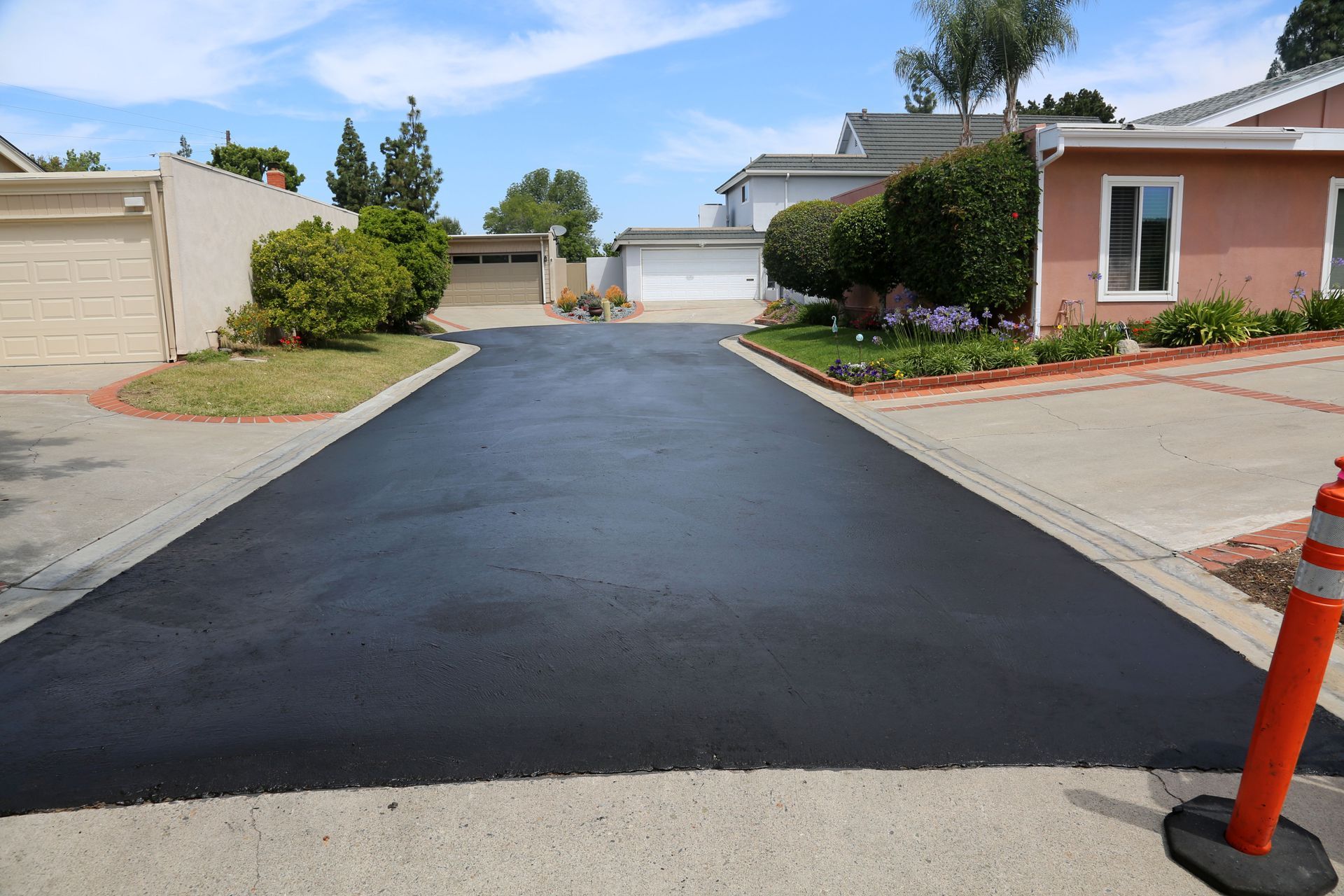
Reviewing a paving service's portfolio of completed projects offers insights into the variety and scale of jobs they've undertaken. It allows potential clients to assess their experience with projects similar to theirs. This visual evidence can reinforce confidence in the service's ability to meet specific project requirements and standards.
Access to client testimonials and reviews from previous clients is another effective tool for understanding a service's reputation. Positive feedback and client satisfaction can demonstrate a company's commitment to quality and customer service. Consider requesting examples of case studies that highlight unique solutions or innovations offered by the company.
By asking these critical questions, you can ensure that you choose a competent and reliable local paving service for your asphalt needs. Understanding the technical details and considerations involved allows you to make informed decisions, ensuring that your investment in asphalt paving delivers the durability and performance you expect. For a
local paving service you can count on, contact Humbert Asphalt Inc today.