September 18, 2026
Regular pavement maintenance is essential for residential, commercial, and public properties. Although paved surfaces are designed to handle vehicle traffic, foot traffic, weather, and other daily pressures, gradual deterioration can eventually compromise their appearance and structural integrity. Small cracks, drainage problems, faded markings, and surface wear may seem minor at first, but they can develop into larger problems when ignored. Working with a local paving service gives property owners access to professionals who understand regional conditions and can recommend practical maintenance strategies. Consistent care can extend pavement life, improve safety, reduce long-term expenses, and preserve the appearance and functionality of roads, parking lots, sidewalks, and driveways.
Extending the Lifespan of Pavement
Paved surfaces are continuously exposed to sunlight, rain, changing temperatures, vehicles, and other environmental conditions. Over time, these forces weaken pavement and contribute to cracking, fading, potholes, and surface deterioration. Heavy vehicles can create additional stress, particularly on parking lots and roads that were not designed for frequent commercial traffic. Routine inspections help identify these problems before they begin affecting larger sections of pavement.
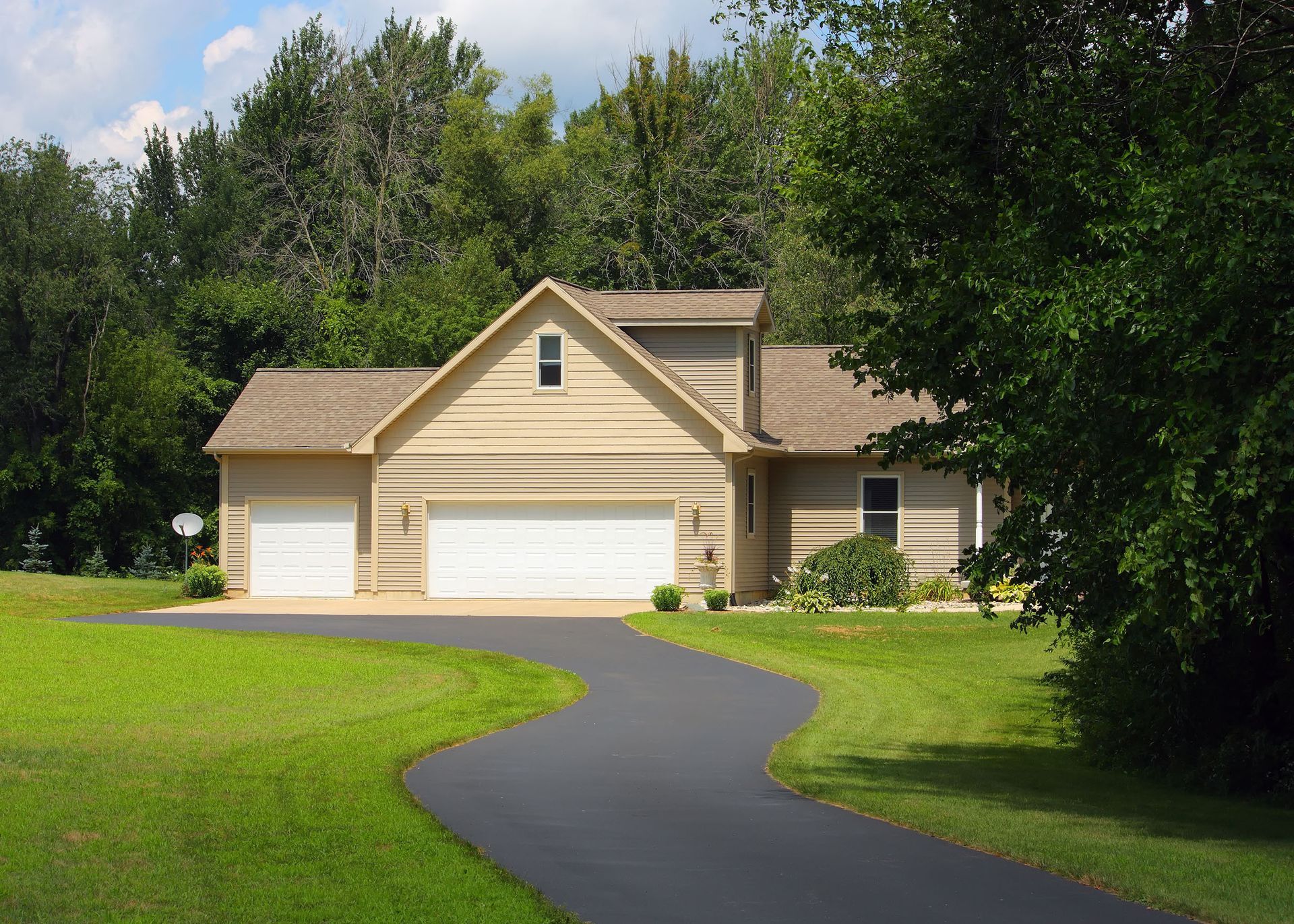
Preventive maintenance can significantly increase the usable life of a paved surface. Crack sealing, patching, sealcoating, and other surface treatments can limit the amount of moisture that penetrates pavement and reaches the underlying base. A local paving service can evaluate existing conditions and determine which maintenance methods are appropriate before deterioration becomes extensive. According to This Old House, a properly maintained asphalt driveway can typically last 15 to 20 years, demonstrating how routine attention can protect a paving investment.
Preventing Minor Damage From Becoming Major Repairs
One of the greatest advantages of regular pavement maintenance is the opportunity to address relatively small defects before they require substantial repairs. A narrow crack can expand when moisture enters the pavement and temperatures fluctuate. Eventually, the surrounding material may weaken enough to form potholes or unstable sections. Drainage problems can accelerate this process by allowing water to remain on or beneath the surface.
Professionals can inspect pavement for cracking, depressions, standing water, crumbling edges, and other warning signs. Completing repairs early generally requires less material and labor than replacing a severely damaged section. Preventive care also allows property owners to plan maintenance expenses rather than being surprised by major emergency repairs.
Improving Safety for Drivers and Pedestrians
Damaged pavement can become a safety concern for anyone using a property. Potholes may damage tires or suspension systems, while cracks and uneven areas can create tripping hazards for pedestrians. Poor drainage can also leave standing water that becomes slippery or conceals pavement defects. Regular maintenance helps create smoother, more predictable surfaces for vehicles and people.
A local paving service can identify potentially hazardous conditions during routine assessments and recommend appropriate repairs. Addressing uneven pavement, deteriorating edges, and damaged transitions can reduce risks in parking lots, driveways, walkways, and traffic areas. Businesses and property managers may also benefit from demonstrating that reasonable steps are being taken to maintain safe conditions for visitors, tenants, employees, and customers.
Maintaining Clear Pavement Markings
Parking spaces, directional arrows, crosswalks, loading areas, fire lanes, and accessibility markings depend on clear pavement striping. Weather, vehicle traffic, snow removal, and general surface wear gradually cause painted markings to fade. When markings become difficult to see, drivers may have trouble navigating parking areas or understanding traffic patterns.
Routine pavement maintenance provides an opportunity to refresh markings when necessary. Clearly defined spaces make parking areas easier to use while helping drivers and pedestrians move through the property more safely. Proper striping can also improve organization by separating vehicle routes, pedestrian paths, loading areas, and designated parking spaces.
Managing Water and Drainage Problems
Water is one of the most damaging forces affecting pavement. Cracks allow moisture to penetrate below the surface, where it may weaken the base supporting the pavement. Areas with poor drainage can experience recurring standing water, erosion, or accelerated surface deterioration. In climates with freezing temperatures, trapped moisture can expand and contract, making existing cracks significantly worse.
A local paving service familiar with regional rainfall, soil conditions, and seasonal weather patterns can recognize drainage concerns that may affect pavement performance. Solutions may include correcting surface grades, improving drainage paths, repairing depressed areas, or sealing openings where water is entering. Keeping water moving away from paved surfaces helps protect both the pavement and surrounding landscaping or structures.
Supporting Environmentally Responsible Maintenance
Regular maintenance can also support environmental goals by helping existing pavement remain usable longer. Extending pavement life reduces the frequency of full replacement projects and may decrease the amount of material that must be removed and transported. Reclaimed asphalt can also be reused in certain paving applications, helping conserve resources and reduce construction waste.
Some properties may benefit from drainage-conscious pavement designs or materials that support more effective stormwater management. Maintenance professionals can evaluate the condition of existing surfaces and recommend appropriate options based on site requirements. Protecting pavement before widespread deterioration occurs can therefore provide both practical and environmental advantages.
Reducing Long-Term Property Expenses
Maintenance requires an ongoing investment, but postponing necessary work can lead to substantially larger costs. Repairing several small cracks or isolated areas generally requires fewer resources than removing and rebuilding an extensively deteriorated pavement surface. Regular inspections allow owners to prioritize repairs according to urgency and budget.
Using a local paving service for ongoing maintenance can also make it easier to establish a predictable schedule. Property owners can plan for sealcoating, crack repair, patching, and striping rather than waiting until an unexpected problem requires immediate attention. This approach supports more effective budgeting while helping protect the original investment in the pavement.
Protecting Property Appearance and Value
Pavement is often one of the first features visitors notice when arriving at a home, commercial property, apartment complex, or public facility. Large cracks, potholes, faded surfaces, and worn parking markings can make an otherwise well-maintained property appear neglected. Smooth pavement and clearly defined parking areas contribute to a cleaner and more organized appearance.
Regular maintenance can therefore play an important role in curb appeal. For commercial properties, appearance may influence how customers or tenants perceive the quality of the property as a whole. Residential owners can similarly benefit from maintaining driveways and paved areas that complement landscaping and exterior improvements.
Adapting Maintenance to Local Weather Conditions
Regional climate has a major influence on pavement performance. Areas with frequent freeze-thaw cycles face different challenges than locations with prolonged heat, heavy rainfall, or intense sunlight. Maintenance materials and project timing must account for these conditions to produce effective results.
A local paving service generally has firsthand experience with these regional factors. Professionals familiar with nearby properties can determine when weather conditions are suitable for sealcoating, patching, resurfacing, or other work. They can also identify common patterns of damage associated with the local climate and recommend preventive measures accordingly.
Improving Traffic Flow and Accessibility
Well-maintained pavement supports efficient movement through parking lots, roads, and commercial properties. Severe potholes and uneven sections can force motorists to slow unexpectedly or maneuver around damaged areas. These interruptions may contribute to congestion, particularly in busy entrances, parking facilities, and loading zones.
Maintenance also helps preserve accessible routes for people using wheelchairs, walkers, strollers, or other mobility aids. Smooth transitions and properly maintained walkways can make paved environments easier for a wider range of people to navigate. Keeping traffic areas functional supports daily operations while improving the overall experience of visitors and occupants.
Partnering with a local paving service provides the benefit of regional knowledge alongside practical pavement expertise. With routine inspections and timely repairs, property owners can keep paved areas functional, attractive, and dependable for years while reducing the risks associated with deferred maintenance. Contact our team at Humbert Asphalt Inc today and learn more about our paving services.