May 14, 2026
A freshly paved surface that begins cracking or pooling water within the first few seasons is rarely the result of bad asphalt — it is the result of inadequate preparation before a single load of material was ever placed. The work that happens beneath the surface before paving begins is what determines how well any asphalt installation performs under the stress of traffic, weather, and time. Homeowners and property managers who understand this often ask more informed questions before hiring a contractor, which leads to better outcomes and longer-lasting results for every project they undertake. Learning how proper preparation prevents the two most common asphalt problems — cracking and drainage failure — helps you evaluate any paving proposal with a much clearer and more critical eye.
Why Preparation Separates Lasting Work From Premature Failures
According to Cognitive Market Research, North America held a nearly 30% share of the global paving asphalt market in 2025, amounting to roughly 36 billion dollars, which reflects just how much demand exists for quality paving work across the continent every single year. With that volume of work being performed, the difference between a paving service that delivers durable results and one that cuts corners almost always comes down to how thoroughly the site was prepared before the asphalt was applied. Licensed contractors who follow a disciplined preparation process understand that every step taken before paving directly influences how the finished surface handles load, temperature changes, and water over the entire lifespan of the installation.
Starting With a Thorough Site Assessment
Before any equipment arrives and any material is moved, a qualified paving service begins by evaluating the existing conditions of the site to identify problems that could compromise the finished surface if they are not addressed during the preparation phase. This includes checking for soft spots in the subgrade, existing drainage patterns, areas of standing water, and the overall slope of the site relative to where water needs to travel once the surface is in place. A site assessment performed by experienced licensed contractors gives the team the information they need to design a preparation plan that is specific to the actual conditions of the property, rather than applying a generic approach that ignores critical variables hiding beneath the surface.
Excavating to the Right Depth for a Stable Foundation
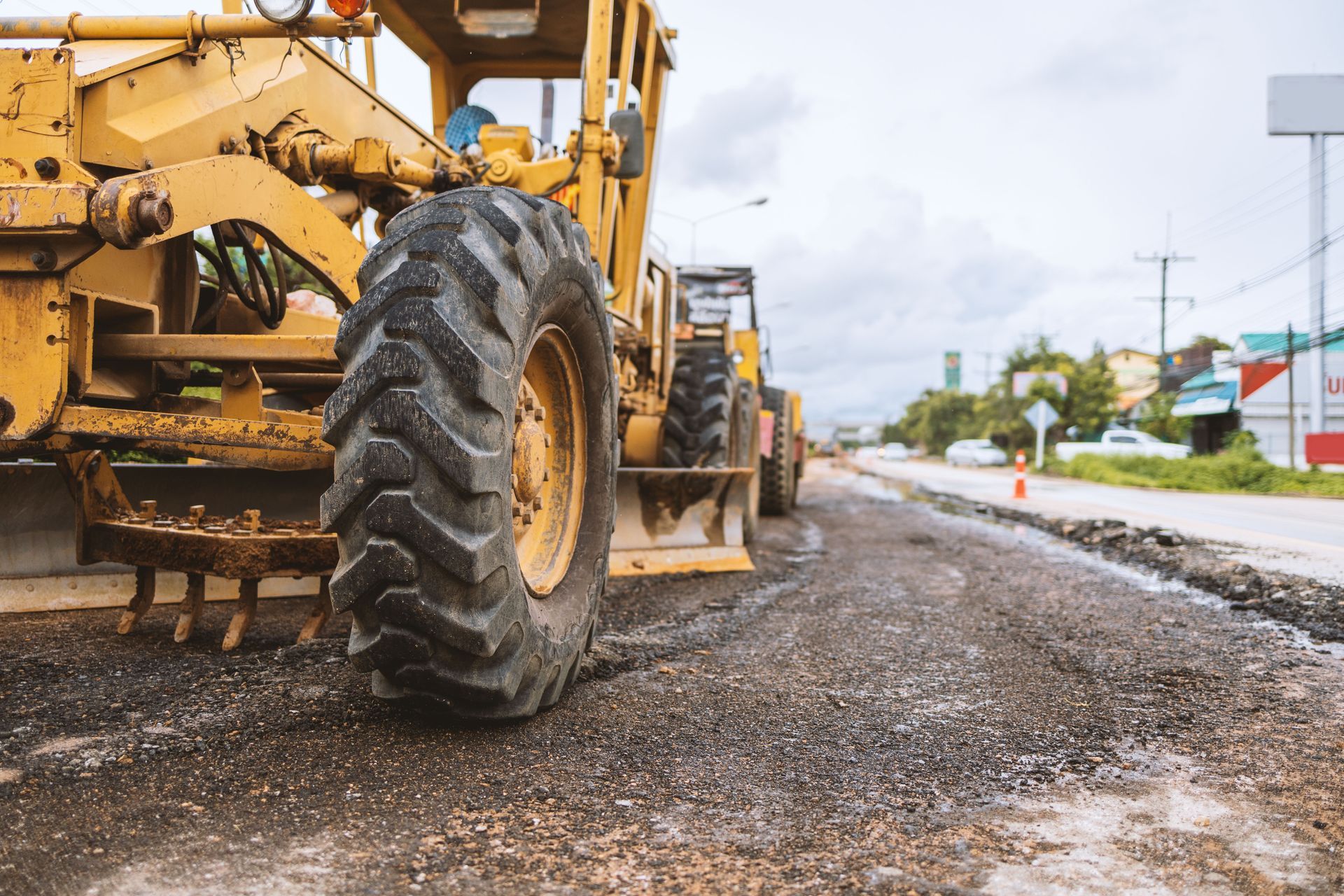
Excavation is one of the most critical steps in the preparation process because the depth and quality of material removed from the site directly determine how stable and load-bearing the base beneath the asphalt will be over time. A service that skips deep excavation or leaves soft, unstable material in place is setting the surface up for premature cracking, rutting, and settlement that will appear long before the pavement should reasonably need replacement or major repair. Excavation services that remove the right amount of existing material and shape the subgrade to promote water movement away from the paved area are an essential part of any preparation process that is designed to deliver results worth standing behind for years to come.
Building a Proper Base With Graveling Services
Once excavation is complete, the base material placed below the asphalt layer plays a fundamental role in distributing the weight of traffic evenly and allowing water to drain away from the surface rather than accumulating beneath it, where it can cause heaving, cracking, and structural failure over time. Graveling services provide the compacted aggregate base that gives asphalt the stable, load-bearing foundation it needs to perform correctly, and the thickness and quality of that base are just as important as the asphalt itself in determining how long the finished surface will last. A paving service that takes the time to install and compact a properly graded gravel base before applying asphalt is one that understands where the real work of a lasting installation actually takes place.
Grading and Sloping to Prevent Drainage Problems
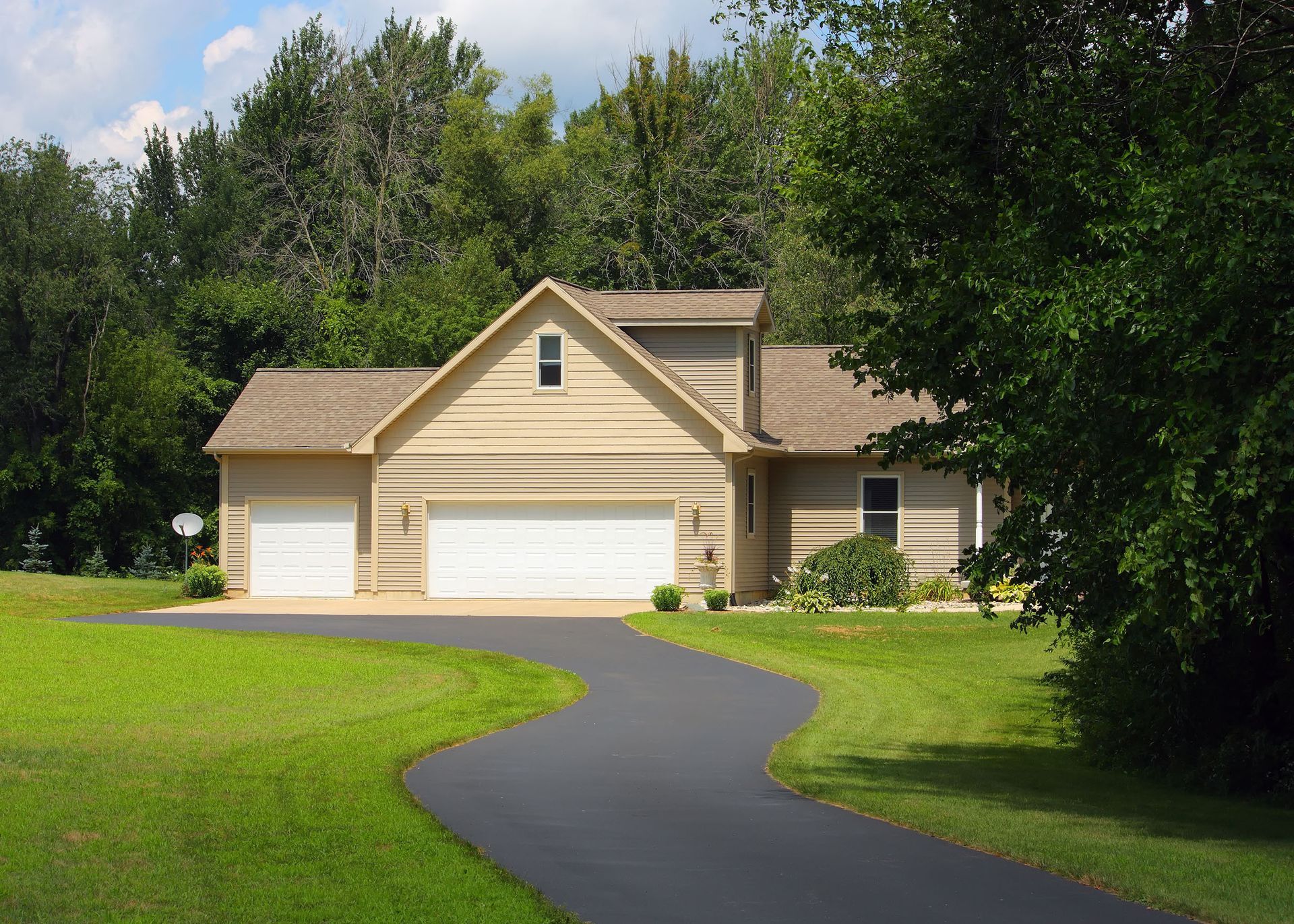
Water that collects on or beneath a paved surface is one of the leading causes of asphalt deterioration, and the only way to prevent that accumulation is to ensure the surface is graded correctly during the preparation phase so that water flows consistently toward designated drainage points. A paving service that grades the subgrade and base material with precision creates a slope that guides water off the surface efficiently, reducing the risk of pooling, erosion at the edges, and the freeze-thaw damage that occurs when trapped moisture expands and contracts repeatedly beneath the pavement layer. Driveway grading performed as part of a comprehensive preparation process is one of the most effective and underappreciated investments a property owner can make in the long-term performance and appearance of their asphalt surface.
Addressing Existing Damage Before Resurfacing or Patching
Property owners who need asphalt resurfacing or patching rather than a full new installation still benefit enormously from thorough preparation work performed before the new material is applied to the existing surface. A paving service that applies fresh asphalt over unaddressed cracks, soft spots, or areas of structural failure is essentially covering a problem rather than solving it, and the new surface will begin showing the same issues within a much shorter timeframe than a properly prepared surface would. Asphalt patching and resurfacing that begins with a careful assessment and treatment of the underlying causes of existing damage delivers results that hold up reliably rather than requiring repeat attention within the first few seasons after the work is completed.
Ensuring Proper Compaction at Every Layer
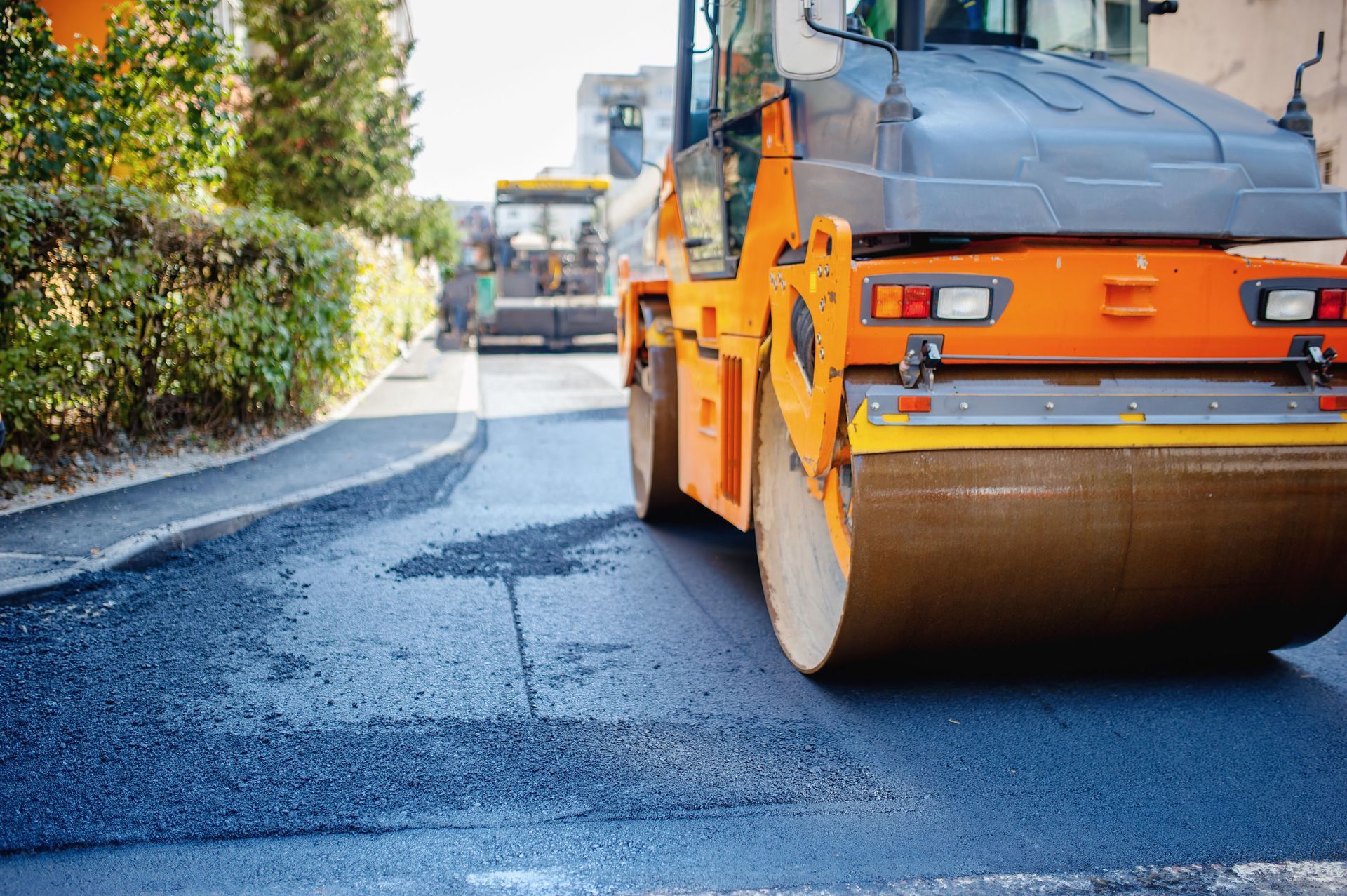
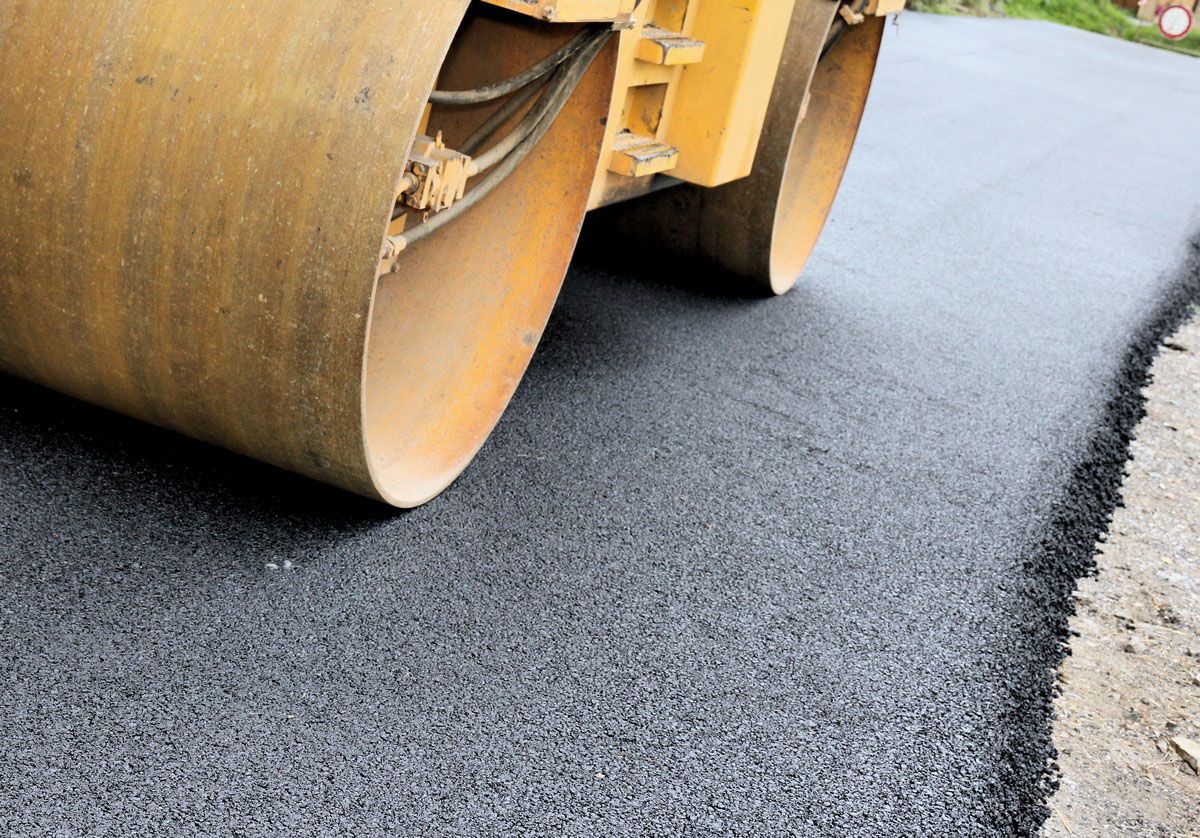
Compaction is the process of applying pressure to each layer of material during construction to remove air pockets and create a dense, uniform structure that can withstand traffic and environmental stress without shifting or cracking over time. A paving service that rushes through compaction or uses equipment that is not suited to the material being compacted leaves behind a surface that may look acceptable on the day it is completed, but will begin deteriorating far sooner than a properly compacted installation would under the same conditions. Every layer — from the subgrade to the aggregate base to the asphalt itself — must be compacted to the correct density using the right equipment and technique to ensure the entire structure works together as a cohesive and durable system from the ground up.
The Value of Working With a Second-Generation Business
A second-generation paving business carries decades of accumulated knowledge about what works, what fails, and why — knowledge that is passed down through hands-on experience rather than learned entirely from textbooks or short-term training programs. That depth of practical understanding shows up most clearly in the preparation phase of every project, where experienced judgment about soil conditions, drainage patterns, and material selection makes a measurable difference in the quality and longevity of the finished surface. A service backed by that kind of multi-generational expertise approaches every project with both the technical skills and the professional standards that come from building a reputation over fifty-plus years of delivering work that holds up and standing behind every job completed under the company name.
Proper preparation is not a shortcut that contractors can skip when they are in a hurry — it is the foundation upon which every durable, crack-resistant, and well-draining asphalt surface is built, and it is the clearest indicator of whether a paving company is genuinely committed to quality or simply focused on speed. From excavation and graveling to grading, compaction, and damage assessment, each preparation step plays a specific and irreplaceable role in determining how well the finished surface performs under the conditions it will face throughout its service life. Choosing a licensed, experienced contractor who treats preparation as the most important part of the job is the most reliable way to protect your investment and avoid the premature failures that plague surfaces built on inadequate foundations. Humbert Asphalt Inc has proudly served property owners throughout Milton-Freewater, OR and the Walla Walla, WA area since 1974, offering asphalt services, blacktop services, driveway services, excavation, graveling, parking lot installation, and specialized paving services backed by second-generation expertise, licensed contractors, and free estimates on every project. For more information, contact us today!