July 13, 2026
When selecting materials for a driveway or parking lot, property owners face a major decision between asphalt and concrete. These materials offer distinct advantages, yet asphalt remains the superior choice for residential and commercial applications. A skilled local paving service provides essential guidance regarding the benefits of asphalt. The dark surface creates a striking contrast against landscaping, enhancing property value and aesthetic appeal.
Selecting asphalt guarantees a resilient, flexible surface capable of enduring severe weather conditions. The installation process is swift, allowing property owners to utilize the new surface without delay. Concrete requires extended curing periods, causing major inconvenience. By comparing durability, upkeep requirements, and ideal applications, property owners make informed decisions. Asphalt provides a cost-effective, attractive, and enduring solution for paving projects of all sizes.
Analyzing Durability: Why Asphalt Outperforms Concrete
Durability remains a primary concern for any paving project. Asphalt possesses unique flexible properties, allowing the material to expand and contract with temperature fluctuations. A knowledgeable local paving service understands that this flexibility prevents major cracking during freeze-and-thaw cycles. Concrete lacks this inherent flexibility. As a result, concrete surfaces develop severe, irreparable fissures when subjected to shifting soil or extreme cold.
The dark composition of asphalt provides a distinct advantage in winter climates. Black surfaces absorb solar heat, accelerating snowmelt and ice reduction. This characteristic reduces reliance on harsh deicing chemicals, protecting the surrounding environment. Concrete surfaces remain cold, causing ice accumulation and hazardous conditions. Ice-melting salts cause major damage to concrete, leading to surface spalling and structural degradation over time.
Load-bearing capacity dictates surface longevity. Asphalt driveways flex under heavy vehicle weight, distributing the burden across the sub-base. The material bends without breaking. Concrete surfaces bear weight with rigid inflexibility. When heavy vehicles park on concrete, the immense pressure causes cracking. Property owners seeking long-lasting strength for heavy vehicle storage choose asphalt over rigid alternatives to ensure sustained structural integrity.
The lifespan of any paved surface depends on foundational integrity. Asphalt installation involves meticulous sub-base preparation, ensuring proper drainage and stability. According to This Old House, an asphalt driveway can last 15 to 20 years when properly maintained. Concrete driveways boast theoretical longevity, but practical exposure to harsh elements and soil movement causes premature concrete failure and expensive replacement obligations.
Evaluating Maintenance: Why Asphalt Offers Easier Repairs
Maintenance requirements influence the overall cost of any paved surface. Asphalt upkeep involves simple, inexpensive procedures. Sealcoating restores the rich black finish and provides a protective barrier against moisture penetration. A professional local paving service completes this routine maintenance with immense efficiency. By contrast, concrete stains with ease from oil leaks or tire marks, requiring harsh chemical cleaners and intense scrubbing.
Surface damage occurs on any material, making repairability a crucial factor. Asphalt repairs are seamless and straightforward. Cracks require simple rubberized filler materials. Surface wear benefits from simple resurfacing, where contractors apply a fresh layer over the existing structure. Concrete repairs remain complex and visible. Patching concrete leaves mismatched, unsightly blemishes. Extensive concrete damage necessitates complete slab removal and replacement.
The speed of repairs favors asphalt in all scenarios. Asphalt patch materials cure in hours, restoring surface usability at a rapid pace. Commercial properties benefit from this quick turnaround, minimizing disruption to traffic flow. Concrete repairs require days to cure. The extended wait time frustrates residents and impedes commercial operations. Fast, effective maintenance makes asphalt the logical choice for busy environments.
Preventative care extends the life of asphalt in major ways. Routine sweeping and occasional pressure washing keep the surface pristine. While concrete requires similar cleaning, the light color highlights dirt and debris. Property owners spend immense time cleaning concrete to maintain an acceptable appearance. The forgiving nature of dark asphalt conceals minor imperfections, reducing the frequency of required cosmetic maintenance sessions.
Assessing Aesthetics: Why Asphalt Enhances Curb Appeal
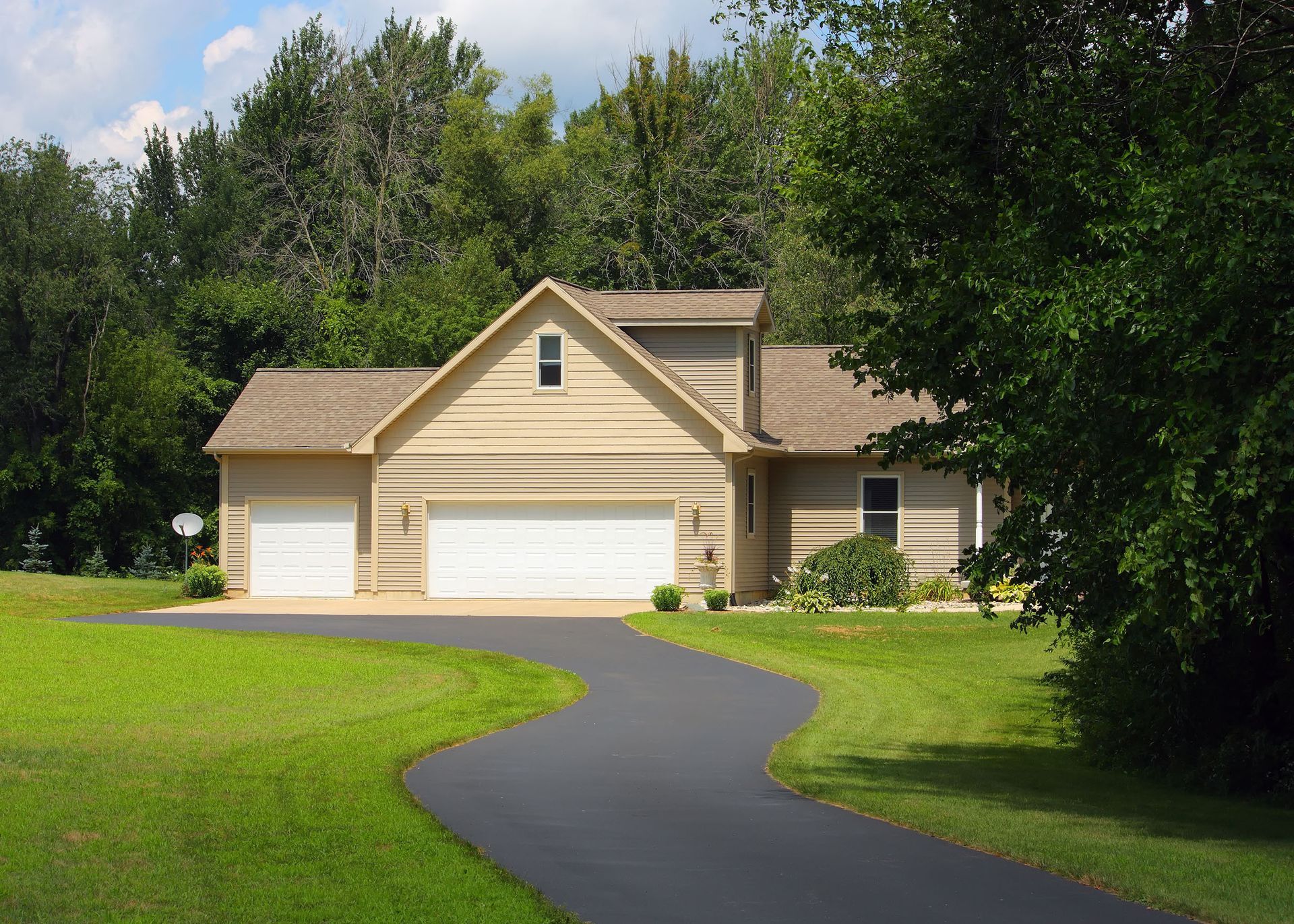
Curb appeal plays a vital role in property valuation. The rich, dark appearance of fresh asphalt creates a sophisticated entrance to any property. Utilizing a reputable local paving service ensures a smooth, flawless finish. The contrast between black asphalt and green lawns or vibrant gardens creates visual interest. Concrete presents a stark, industrial appearance, lacking the warmth of asphalt.
Customization options exist for diverse paving methods, yet asphalt offers unique aesthetic benefits. Stamped and colored asphalt patterns mimic the look of brick or stone without the associated instability. The continuous surface prevents weed growth between joints, maintaining a pristine look. Stamped concrete exists, but the rigid joints trap dirt and encourage weed proliferation, detracting from the overall visual appeal.
The aging process affects visual quality in distinct ways for each material. As asphalt ages, the surface fades to a dignified gray. A simple sealcoat application restores the original deep black hue. Concrete discoloration remains permanent. Rust stains, tire marks, and oil spills penetrate the porous concrete surface, creating permanent blemishes. Property owners cannot restore concrete to its original aesthetic condition.
Seamless integration with existing landscaping and streetscapes gives asphalt a distinct edge. Municipal roads feature asphalt construction in most regions. An asphalt driveway provides a cohesive transition from the public roadway to private property. A concrete driveway creates a harsh visual break at the street connection. The continuous flow of dark pavement enhances the overarching design harmony of a neighborhood.
Determining Uses: Why Asphalt Suits Residential Needs
Ideal applications vary depending on the specific requirements of a project. Asphalt excels in residential settings, providing smooth surfaces for driveways, walkways, and sports courts. A reputable local paving service recommends asphalt for areas requiring excellent traction and visual appeal. The smooth finish allows children to ride bicycles and play basketball without tripping over uneven expansion joints found in concrete.
Rural properties with extensive driveways benefit from asphalt installation. The cost-effectiveness of the material allows homeowners to pave long distances without excessive financial burden. Concrete creates a heavy financial burden for extended rural driveways. In addition, the flexibility of asphalt handles the varying soil compositions found on large estates. Asphalt adapts to the natural terrain without fracturing under earth movement pressure.
Commercial parking lots rely on the specific attributes of asphalt. The black surface provides an ideal background for bright white or yellow striping. This high contrast guides drivers with maximum safety through the parking area. Concrete provides poor contrast for painted lines, reducing visibility. The rapid installation of asphalt ensures rapid business openings, maximizing profitability and minimizing construction delays.
Sloped properties present unique challenges for paving projects. Asphalt provides superior traction on steep inclines. The textured surface grips vehicle tires, preventing slippage during wet weather. Concrete finishes on slopes become slick and hazardous in wet conditions. For properties with challenging topography, asphalt delivers the necessary safety features while maintaining structural integrity and an attractive overall appearance over the long term.
Deciding between paving materials involves evaluating long-term performance, aesthetic value, and overall functionality. While concrete presents certain attributes, asphalt delivers a superior combination of flexibility, rapid installation, and seamless repairability. The material withstands harsh elements, supports heavy loads, and provides stunning visual contrast for any property. Choosing an experienced local paving service guarantees a flawless installation process and enduring results.
Property owners seeking a durable, attractive, and manageable surface find asphalt the optimal choice. The straightforward maintenance requirements ensure the pavement remains pristine with minimal effort. From residential driveways to expansive commercial parking areas, asphalt adapts to diverse environments with ease. By selecting asphalt, individuals invest in a resilient surface capable of enhancing property value and providing reliable performance over time. When you are ready to experience the unmatched durability and curb appeal of asphalt, reach out to our team at Humbert Asphalt Inc. As a dedicated local paving service, we take pride in delivering smooth, lasting surfaces for every property.